What Are the Stages of Addiction Recovery? A Complete Guide
Understanding the stages of addiction recovery is the first step toward reclaiming your life or supporting a loved one through theirs. Whether you are struggling with alcoholism, opioid dependence, or chronic drug use, it is important to realize that recovery is not a single event or a finish line you cross once. Instead, it is a dynamic, evolving process.
Navigating this journey can feel overwhelming, but understanding these milestones matters. It clarifies expectations regarding how long addiction recovery takes, reduces shame by normalizing the psychological shifts required for change, and empowers families to provide more effective addiction recovery support. Because addiction is a family disease, recognizing these stages helps families move away from enabling behaviors and toward a culture of long-term healing.
Why the stages matter:
- Clarify Expectations: Gain a realistic view of the milestones and challenges ahead.
- Reduce Shame: Understand that ambivalence and setbacks are natural parts of the process, not personal failures.
- Empower Families: Learn how to provide targeted support that evolves as your loved one progresses.
With the right professional guidance and a structured approach, lasting change is not just a hope, it is a reality.
Need professional guidance? Explore our Family Services or visit our For a Loved One page to take the next step toward healing.
Here are the helpful stages of addiction recovery:
- Stage 1 – Precontemplation
- Stage 2 – Contemplation
- Stage 3 – Preparation
- Stage 4 – Action
- Stage 5 – Maintenance

Stage 1 – Precontemplation (Denial & Resistance)
In the earliest early recovery stages, the individual often doesn’t believe they have a problem. This is widely known as the stage of denial. While friends and family across Connecticut may see the devastating signs of addiction, such as missed work, legal issues, or physical changes, the person struggling with alcoholism or substance abuse often views their behavior as under control. They might frame their heavy drinking or drug use as a “phase” or a necessary way to “take the edge off” from life’s stressors.
It’s important to understand that this resistance isn’t usually about being stubborn. According to the National Institute on Drug Abuse (NIDA), chronic drug addiction and alcohol abuse physically change the brain’s chemistry, specifically in areas responsible for self-awareness and judgment. This “brain fog” makes it incredibly difficult for the individual to connect their substance use with the negative consequences happening in their life.
Need professional guidance? Explore our Family Services or visit our For a Loved One page to take the next step toward healing.
What This Looks Like in Daily Life:
- Defensiveness: Reacting with anger when a spouse or parent brings up their narcotic use or excessive drinking.
- Rationalization: Making excuses like, “I only use pills on weekends” or “I’m still holding down my job in Hartford, so I’m not a real alcoholic.”
- Isolation: Avoiding family gatherings or sober friends to stay away from “the lecture” and continue their drug or alcohol use in private.
For Connecticut families watching a loved one struggle with drug or alcohol use, this phase can feel hopeless. However, this is the time to focus on education and setting healthy boundaries. Recognizing that denial is a common barrier within the stages of addiction recovery can help you shift from frustration to a more strategic, informed approach that encourages your loved one to move toward health.
Is your family stuck in this stage? You don’t have to wait for “rock bottom” to intervene. Our Family Services are designed to help you navigate the specific resistance that comes with chemical dependency and substance use disorders.
Real people. Real support.
Seeking Help for Yourself or a Loved One?
Connect with our professionals to start the journey to recovery.
Call 860.388.9656 for immediate support.
Stage 2 – Contemplation (Awareness Begins)
During the contemplation stage, the “fog” of denial begins to lift. The individual starts to weigh the “pros and cons” of their drug or alcohol use. They are becoming aware that their behavior is causing real-world issues, perhaps a strained marriage in Old Saybrook, declining performance at a job in New Haven, or health scares, but they remain deeply torn.
This stage is defined by internal conflict. While they recognize the damage caused by substance abuse, there is a profound fear of life without the drug or alcohol. They may want to stop the pain of addiction, but the thought of facing reality without their primary coping mechanism feels impossible. This “back and forth” is a normal part of the recovery process for addiction.
Moving from contemplation to action requires a shift in perspective, which is often sparked by learning more about the basics of addiction and realizing that alcoholism or chemical dependency is a treatable medical condition, not a moral failing.
Signs of the Contemplation Stage:
- Acknowledging the Problem: Saying things like, “I know I drink too much, but I’m not ready to stop yet.”
- Evaluating the Cost: Starting to notice how much money is spent on drugs or how many family events have been ruined by alcohol.
- Seeking Information: Searching for things like “how to quit drinking” or looking into addiction recovery support in Connecticut.
This is a delicate stage where supportive conversations are vital. Criticism often drives the person back into denial, while empathy can pull them toward the next stage of change.

Stage 3 – Preparation (Getting Ready for Treatment)
In the preparation stage, the shift from “thinking” to “doing” officially begins. This is a pivotal window in the stages of addiction recovery where the individual has decided that their life with drugs or alcohol is no longer sustainable. Instead of just weighing the pros and cons, they are now actively exploring treatment for substance abuse and making concrete plans to stop their alcohol or drug use for good.
For many in Connecticut, this stage involves taking “micro-steps” toward sobriety. This might look like an individual cutting back on their daily alcohol intake to avoid severe withdrawal or researching local drug rehab options. This is the “testing the waters” phase where the person builds the courage to commit to a full recovery program.
Finalizing the Logistics of Recovery:
This is the time to move from research to action by finalizing the necessary logistics for professional help:
- Exploring Levels of Care: Many people start by choosing an Intensive Outpatient Program (IOP) in CT, which allows them to receive high-level therapy while still living at home.
- Navigating Costs: One of the biggest hurdles is the “how.” Taking a moment for Insurance Verification can remove the financial stress and show that help is actually accessible.
- Medical Consultation: As recommended by experts like the Mayo Clinic, it is vital to consult with medical professionals to ensure a safe transition away from drugs or alcohol, especially when physical withdrawal is a risk.
The goal of the preparation stage is to create a solid foundation so that when the individual enters the “Action” stage, they aren’t derailed by paperwork or indecision. It is about turning the desire to quit drugs or alcohol into a structured, realistic plan.
Stage 4 – Action (Active Treatment & Early Recovery)
The Action stage is where the most visible work happens. This is the moment the individual officially enters a structured environment to tackle their drug or alcohol addiction head-on. It is often the most intense part of the early recovery stages, as the person must learn to navigate life, emotions, and triggers without the buffer of a substance.
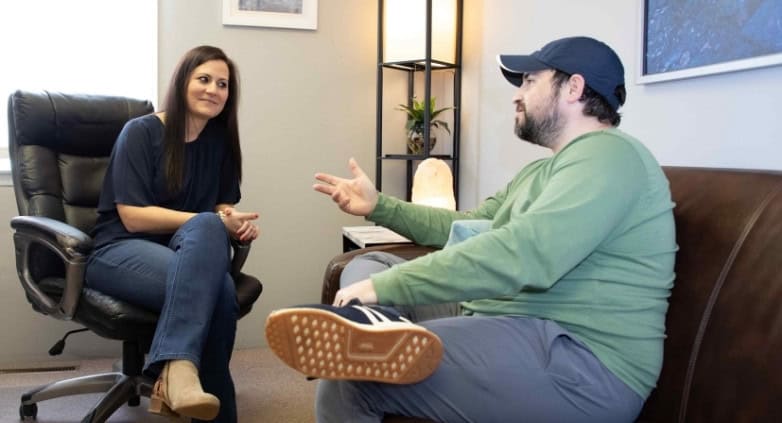
In this phase, the individual isn’t just “not using”; they are actively participating in the recovery process for addiction. This involves attending group therapy to build a community of peers and engaging in individual counseling to uncover the root causes of their substance abuse. The goal is to replace the old routine of seeking and using drugs or alcohol with healthy coping strategies and a stable, sober lifestyle.
Bridging the Gap in Connecticut
The transition from a clinical setting back to daily life in Connecticut can be a major hurdle. Whether you are returning to work in Stamford or heading home to family in Middletown, the “real world” is full of old triggers. To bridge this gap, many find success with:
- In-Home Recovery Services: This unique approach brings addiction recovery support directly to your doorstep, providing real-time accountability where you live and work.
- Structured Routines: Developing a daily schedule that prioritizes sleep, nutrition, and meetings to keep the mind focused.
- Support Networks: Utilizing local resources like FindTreatment.gov to find additional community-based help.
The Action stage requires a high level of commitment and energy. It is the time to build the “muscles” of sobriety so that long-term freedom from alcohol and drugs becomes possible.

Stage 5 – Maintenance (Long-Term Recovery)
Long term addiction recovery is truly defined by the maintenance stage. At this point, the initial “pink cloud”, that early burst of euphoria and pride after first quitting drugs or alcohol, has often leveled off. The individual is now faced with the day-to-day reality of sustaining a sober lifestyle while navigating the stressors of a normal life in Connecticut. Reaching this milestone is one of the most significant stages of addiction recovery, as it shifts the focus from short-term sobriety to a lasting, healthy lifestyle.
Maintenance is about more than just “not drinking” or “not using.” It is about a permanent transformation. In this stage of the addiction recovery timeline, the focus shifts from stopping the crisis to building a life where substance abuse no longer has a place. This is a lifelong commitment to wellness, a goal supported by national health initiatives like the CDC’s overdose prevention programs.
Key Components of Successful Maintenance:
- Practicing Healthy Coping Strategies: Using tools learned in treatment to handle stress, grief, or boredom without turning to alcohol or drugs.
- Consistent Recovery Therapy: Continued engagement in recovery therapy helps address underlying emotional triggers before they lead to a craving.
- Community Connection: Staying active in support groups or alumni networks to prevent the isolation that often leads back to addiction.
- Healthy Habits: Many people in this stage find that physical fitness, proper nutrition, and mindfulness are essential for keeping their recovery process for addiction on track.
The maintenance stage is where “recovery” becomes “life.” It is about staying vigilant and recognizing that while the urge to use drugs or alcohol may fade, the commitment to coping strategies for addiction must remain a priority.
Need a partner in your long-term journey? We provide specialized recovery therapy in CT to help you navigate the unique challenges of long-term sobriety and prevent the “maintenance” stage from becoming stagnant.

How Long Do the Stages of Recovery Take?
One of the most frequent questions we hear in Connecticut is: how long does addiction recovery take? It is important to understand that there is no fixed addiction recovery timeline. Because every individual’s journey with drugs or alcohol is unique, some people move through the initial stages of addiction recovery in a matter of weeks, while for others, it takes years of “cycling” through contemplation and action before reaching long-term stability.
Factors that influence the timeline include:
- The severity and duration of the addiction.
- The presence of co-occurring mental health disorders.
- The strength of the support system.
- Engagement with programs like Alcoholics Anonymous.
Evidence shows that virtual addiction recovery programs can be just as effective as in-person care, offering the flexibility needed to stay engaged longer.

How Project Courage Supports Every Stage of Recovery
At Project Courage, we provide a full continuum of addiction recovery support. We recognize that a person in the “Precontemplation” stage needs a different approach than someone in “Maintenance.”
Our services adapt to your needs through:
- Family Support to help the entire unit heal.
- In-Home Recovery Services for real-world application.
- A “no wrong door” policy, whether you are looking for help for yourself or for a loved one.
Receive your free guide to understanding alcohol addiction and discovering recovery programs tailored to you. Learn how to build a personal sobriety plan and get support every step of the way.
Take the First Step Toward Recovery
Recovery from drugs and alcohol is possible, and you don’t have to do it alone. Whether you are just beginning to notice the signs of addiction in yourself or a loved one, or you are seeking long-term addiction recovery support to stay on track, help is available right here in Connecticut.
If you are a family member wondering how to help a loved one struggling with alcoholism or substance abuse, or if you are ready to start your own journey toward a life free from chemical dependency, reach out today. We specialize in meeting you exactly where you are in the addiction recovery stages, offering a compassionate, evidence-based approach to healing.
No matter how many times you have tried to quit drugs or alcohol in the past, today is a new opportunity to change the narrative.
Ready to Start? Choose Your Path:
- Contact Us Today: Speak with a specialist about our Connecticut-based programs.
- Verify Your Insurance: Quickly check your coverage for substance abuse treatment.
- Help for Myself: Explore our person-centered drug and alcohol programs.
- Help for a Loved One: Get the tools you need to support a family member’s recovery process.