How to Help an Addict Without Enabling – A Quick Action Checklist
Helping a loved one struggling with addiction is one of the most painful experiences a family can endure. The emotional toll is overwhelming, often leaving you feeling trapped between the desire to help and the fear of making things worse. It is easy to cross the delicate line between offering genuine support and unintentionally enabling destructive behaviors.
Learning how to help an addict without enabling is crucial, not only for your loved one’s potential recovery but for preserving your own mental and emotional well-being. This guide will help you understand that difference and provide actionable strategies to set boundaries that foster true healing.
Table of Contents
- Quick Action Checklist
- What Does it Mean to Enable an Addict?
- Helping vs. Enabling
- The Myth of “Rock Bottom”
- Setting Clear Boundaries
- How to Support Recovery without Rescuing
- Self-Care for Loved Ones
- Self-Care and Support for Loved Ones
- FAQS
- Take the Next Step Toward Recovery

1. Quick Action Checklist: Supporting Recovery
If you are in immediate need of guidance, use this checklist to assess your current actions and implement healthier boundaries. These actions are designed to move you from a position of rescuing to one of enabling true recovery.
- Stop giving cash. Addicted individuals often use cash to maintain their substance use. Instead, offer to pay for treatment, food, or housing directly if you wish to help.
- Stop making excuses. Do not cover up their absences, lies, or behaviors to employers, friends, or family. Allow them to feel the natural repercussions of their actions.
- Set a clear boundary regarding drug/alcohol use in your home.
- Stop cleaning up legal or financial messes. Avoid paying bail, hiring lawyers to cover up crimes, or paying their rent to prevent eviction.
- Focus on your own self-care. Attend a support group like Al-Anon or Nar-Anon to process your own emotions and learn from others in similar situations.
Real people. Real support.
Seeking Help for Yourself or a Loved One?
Connect with our professionals to start the journey to recovery.
Call 860.388.9656 for immediate support.
2. What Does it Mean to Enable an Addict?
Enabling refers to behaviors that inadvertently make it easier for an addict to continue their destructive habits. While it almost always stems from a place of love and a desire to help, enabling actually shields the individual from the natural consequences of their actions.
When you try to help an addict without enabling, you must recognize that protecting them from the fallout of their choices often perpetuates the addiction. Instead of helping them recover, you are essentially providing a safety net that allows them to continue unchecked. For those living with an alcoholic, understanding this dynamic is crucial for breaking the cycle of codependency.
According to experts at SAMHSA, enabling can hinder the recovery process by delaying the moment an individual realizes they need professional help.

3. Helping vs. Enabling: A Comparison
It is often difficult to distinguish between genuine support and enabling because both actions are driven by love. However, as noted by Hazelden Betty Ford Foundation, true help empowers the individual to take responsibility, while enabling empowers the disease to continue.
Here is a breakdown of the differences to help you determine if your actions are supportive or enabling:
| Action | Enabling Behavior | Supportive Behavior |
| Financial | Giving cash for “emergencies” or paying their bills. | Offering to pay for a treatment program directly. |
| Responsibility | Calling in sick for them at work or making excuses. | Allowing them to face disciplinary action at work. |
| Legal | Paying bail or hiring a lawyer to cover up crimes. | Allowing them to deal with legal consequences. |
| Emotional | Arguing, yelling, or trying to manage their emotions. | Using “Detach with Love” techniques and setting limits. |
Receive your free guide to understanding alcohol addiction and discovering recovery programs tailored to you. Learn how to build a personal sobriety plan and get support every step of the way.
4. The Myth of “Rock Bottom”
A common misconception is that an addict must hit “rock bottom” before they are willing to accept help. This is a dangerous myth.
Waiting for rock bottom can result in death, irreversible health damage, or permanent legal consequences. Enabling delays the realization that help is needed. As highlighted by Psychology Today, the belief that someone needs to “want” help before they get it can be a barrier to intervention. Instead of waiting for a catastrophic event, you can help create an environment where the consequences of their addiction are clear and undeniable.

5. Setting Clear Boundaries
Setting boundaries is not a punishment for the addict; it is a vital tool for protecting your own mental health, preserving your resources, and fostering accountability. Without clear limits, it is nearly impossible to learn how to help an addict without enabling.
Boundaries must be specific, consistent, and enforceable.
How to Establish and Enforce Boundaries
- Identify Your Limits: Define what behaviors you will no longer tolerate (e.g., drug use in the house, lying, stealing, borrowing money).
- Communicate Clearly: State the boundary calmly but firmly when the addict is sober.
- State the Consequence: Let them know what will happen if the boundary is broken (e.g., “If you come home intoxicated, you cannot stay here tonight,” or “If you steal money, I will report it to the police.”).
- Follow Through: This is the hardest part. If you do not follow through, you are enabling, and the boundary will not be respected in the future.
Examples of Supportive Boundaries
- Financial: “I will no longer give you cash or pay your phone bill. However, I am willing to help you find a job or look for group therapy for drug addiction.”
- Safety: “You cannot be in my house while you are actively using substances.”
- Emotional: “I will not engage in arguments when you are intoxicated. I will leave the room or the house.”
To strengthen your resolve, it is highly recommended to seek support through support groups for families of addicts. These groups provide a safe space to share experiences and learn techniques for enforcing boundaries effectively.
6. How to Support Recovery without Rescuing
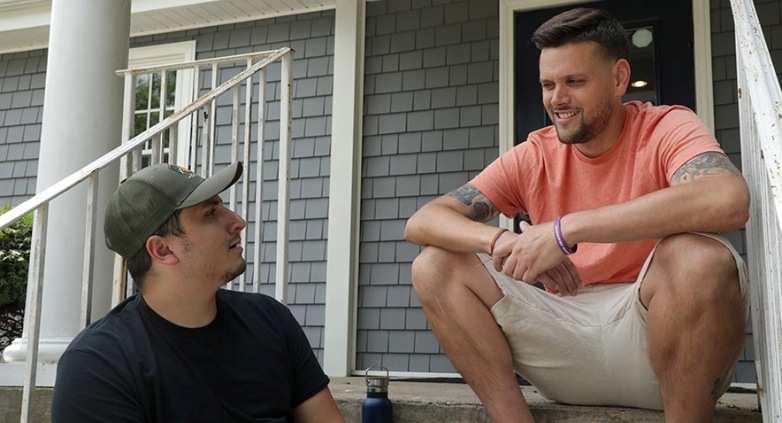
Supporting an addict means offering help that promotes independence and sobriety, rather than rescuing them from their choices. The goal is to empower them to take responsibility for their own lives. Learning how to help an addict without enabling often requires shifting from a “fixer” mindset to a “supporter” mindset.
1. Detach with Love
Detachment does not mean abandonment. It means emotionally separating yourself from the addict’s chaotic behavior. You care about them, but you refuse to let their addiction control your life or emotions. This is a crucial psychological tool for preserving your own mental health.
2. Encourage Professional Help
Do not try to be their therapist or counselor. Your role is to support their connection with professionals. Offer to drive them to meetings, help them research rehab centers, or pay for therapy directly.
3. Manage Relapse
Relapse is often a part of the recovery process. If it happens, do not enable them to continue. Instead, treat it as a setback, not a failure. Gently steer them back to treatment and uphold the boundaries you previously set.
Real people. Real support.
Seeking Help for Yourself or a Loved One?
Connect with our professionals to start the journey to recovery.
Call 860.388.9656 for immediate support.
7. Self-Care for Loved Ones
You cannot pour from an empty cup. To effectively help someone else, you must maintain your own mental, physical, and emotional health. Neglecting your own needs often leads to burnout and makes it harder to maintain the boundaries necessary to how to help an addict without enabling.
Seek Professional Support
Processing your own guilt, fear, and resentment with a professional is essential. Therapists specializing in addiction can provide tailored strategies for your situation. Consider exploring family therapy for addiction to address the impact of addiction on the entire household.

Join Support Groups
Peer support is invaluable. Connecting with others who understand exactly what you are going through reduces feelings of isolation and provides practical advice.
- Al-Anon/Nar-Anon: Programs designed for families of addicts.
- Alcoholics Anonymous (AA): For those seeking understanding of the AA group structure.
- Narcotics Anonymous (NA): Peer support for drug addiction.
Rebuild Your Life
Focus on your own hobbies, friendships, and goals. Your life should not revolve entirely around the addict’s actions.
Utilize Professional Resources
Do not hesitate to reach out for professional help for your loved one when they are ready. Project Courage offers specialized intensive outpatient programs designed to provide structured support without promoting enabling behaviors.

Self-Care and Support for Loved Ones
Taking care of your own emotional and mental health is essential when helping someone with addiction. Here’s how to ensure you’re maintaining your well-being while supporting your loved one:
- Seek therapy or counseling: It’s important to process your own feelings and learn healthy coping mechanisms. Therapy can help you set boundaries and manage stress.
- Join support groups: Support groups such as Al-Anon or Nar-Anon can provide valuable peer support. Connecting with others who understand your situation can reduce feelings of isolation and provide a sense of community.
- Maintain your boundaries: Make sure that you are not sacrificing your well-being for the addict’s. Keeping healthy boundaries will allow you to provide the necessary support without enabling their addiction.
Receive your free guide to understanding alcohol addiction and discovering recovery programs tailored to you. Learn how to build a personal sobriety plan and get support every step of the way.
FAQS
You cannot force someone into recovery. However, you can stop enabling them, which removes the safety net that allows them to continue their addiction. By setting firm boundaries and allowing them to face the consequences of their actions, you create an environment that may encourage them to seek help on their own.
Understand that enabling is actually harmful to the addict, as it prevents them from facing reality. By setting boundaries, you are showing them that you love them too much to watch them destroy themselves. Guilt is natural, but it is not a sign that you are doing the wrong thing. Seeking support through therapy can help manage these feelings.
Helping empowers the person to do things for themselves and supports their recovery efforts. Enabling does things for them that they should do for themselves, shielding them from the consequences of their addiction and perpetuating the cycle.
Start by identifying your limits, communicate them clearly and calmly when the person is sober, and outline the specific consequences if those limits are violated. The most important step is to follow through on those consequences consistently.
There are many resources available for families. Consider joining groups like Al-Anon or Nar-Anon, seeking individual therapy, or participating in family therapy sessions specifically designed to address addiction within the household.
Real people. Real support.
Seeking Help for Yourself or a Loved One?
Connect with our professionals to start the journey to recovery.
Call 860.388.9656 for immediate support.
Take the Next Step Toward Recovery
Taking the step from enabling to empowering recovery is daunting, but it is necessary for long-term health, both for your loved one and yourself. Understanding how to help an addict without enabling is a process that requires patience, consistency, and professional guidance.
If you are ready to stop enabling and start providing effective, loving support, Project Courage is here for you. We offer comprehensive family services and specialized programs tailored to helping families navigate this difficult journey.
Need immediate support? Contact us today to begin the journey to recovery.