Connection and Repair – A Guide to Emotional Safety
Connection and repair is a fundamental human need. However, for those struggling with substance use or trauma, the idea of “connecting” often feels dangerous or exhausting. If you find yourself isolating or avoiding people, it is usually a defense mechanism built over years. To truly heal, we must realize that connection and repair don’t start with other people, it begins with the relationship you have with yourself.
Here is what we cover:
- Why We Look Outward for Validation
- Step 1: The Practice of “Just Being”
- Step 2: Facing the “Unsafe” Thoughts
- Moving Toward External Connection
- Frequently Asked Questions
- Conclusion: Reclaiming Your Inner Safety
Why We Look Outward for Validation
We often look externally for validation, acceptance, and a sense of belonging. The challenge is believing you are worthy of that connection in the first place. If we don’t feel “enough” on the inside, no amount of external praise will fill that void. A lack of internal safety is a major contributor to social withdrawal in recovery.
By prioritizing internal connection and repair first, the external world often follows naturally. If you can learn to accept yourself exactly as you are, you create the emotional safety needed to let others in.
Step 1: The Practice of “Just Being”
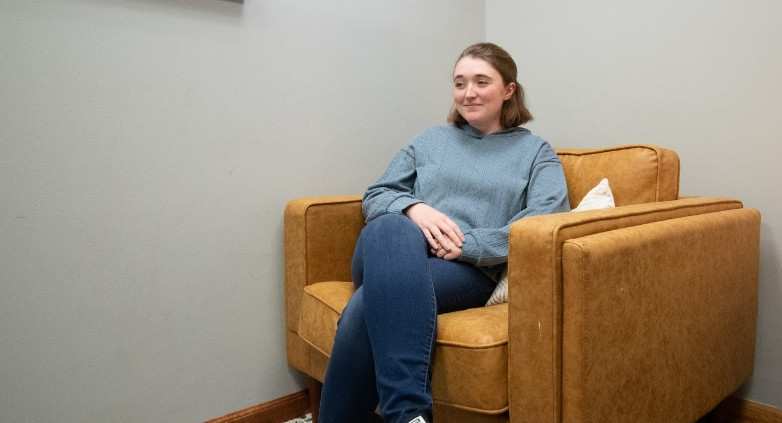
The first step in internal connection and repair is simply taking the time to be with yourself. This sounds easy, but for many, it is the hardest part of the recovery process.
- Observation without Judgment: Sit quietly and allow thoughts, feelings, and emotions to surface.
- Drop the “Shoulds”: Stop trying to force yourself to be who you think you should be or how you should present to others.
- Identify the Need: Ask yourself, “What do I need right now?” and actually listen to the answer.
This practice builds emotional safety. For many, this is a new concept because we often spend years ignoring our internal voice to survive the effects of drug addiction on family members or past traumas.
Real people. Real support.
Seeking Help for Yourself or a Loved One?
Connect with our professionals to start the journey to recovery.
Call 860.388.9656 for immediate support.
Step 2: Facing the “Unsafe” Thoughts
Emotional unsafety often stems from years of negative experiences, how we were raised, peer interactions, or significant losses. By avoiding these painful memories, we are also avoiding our healing. This is why models like Internal Family Systems (IFS) are so effective; they help you identify the “parts” of you that feel unprotected.
You don’t necessarily need to share your deepest traumas with others to begin the connection and repair process, but you must be honest about them with yourself. Ask yourself these three questions during your quiet time:
- What beliefs are these parts of me holding? (e.g., “I am unlovable” or “I am a failure”).
- What do these parts want me to know?
- How am I experiencing this physically? (Notice if your chest gets tight or your stomach knots when certain thoughts arise).
By getting to know what brings you fear, you begin to repair the disconnect. This internal strength is what allows you to eventually feel safe in group therapy for drug addiction or in your personal relationships.

Moving Toward External Connection
Repairing your internal connection is the foundation. Once you feel safe within your own skin, you can begin to bridge the gap to the outside world through external support systems.
- Heal the Family System: If your internal disconnect comes from childhood, family therapy for addiction can help address those root causes.
- Practice with Peers: Joining support groups for families of addicts or a recovery group provides a low-pressure way to test your new sense of safety.
- Professional Support: If these internal “parts” feel too overwhelming to face alone, our intensive outpatient programs provide the clinical guidance needed to navigate this deep work.
Frequently Asked Questions
In early recovery, your brain is still adjusting to life without substances. Many people feel “raw” or overexposed because they no longer have a chemical buffer to numb their emotions. This is why focusing on internal connection and repair is vital; it helps you build a natural emotional baseline so that interacting with others feels less overwhelming.
Not necessarily. While group therapy for drug addiction is a powerful tool, the “repair” part of the process often happens privately first. You can gain strength from listening to others’ stories of connection and repair before you ever choose to share your own.
Family members can support your journey by giving you the space to be “still” and by practicing healthy boundaries in addiction recovery. When a family works together through family therapy for addiction, the entire household becomes a safer environment for everyone to reconnect with themselves.
Yes, resistance is very common. Many people have spent years avoiding painful emotions or memories as a way to cope. When you begin the connection and repair process, those protective habits may surface as discomfort, distraction, or self-doubt. Rather than seeing resistance as failure, it can be helpful to view it as a signal that a part of you is trying to stay safe. With patience and support, these parts can gradually learn that healing is possible.
Yes, one of the strongest protective factors against relapse is a sense of connection and belonging. Isolation often fuels addiction, while supportive relationships provide accountability, encouragement, and emotional safety. When individuals build internal stability and connect with supportive communities, they are less likely to return to harmful coping mechanisms.
Receive your free guide to understanding alcohol addiction and discovering recovery programs tailored to you. Learn how to build a personal sobriety plan and get support every step of the way.
Conclusion: Reclaiming Your Inner Safety
The journey of connection and repair is not a linear path, but it is the most rewarding work you will ever do. By shifting your focus from seeking external validation to building internal safety, you protect yourself against the isolation that so often leads to relapse.
Remember, you are not “broken”, you are simply in a process of reconnecting parts of yourself that were silenced by trauma or addiction. Whether you are navigating the effects of drug addiction on family members or looking for a way to feel comfortable in your own skin, you don’t have to do it alone.
- Take the First Step: Explore our intensive outpatient programs to find a clinical guide for your healing.
- Find Your Community: Join a support group for families of addicts to practice external connection in a safe space.
- Reach Out: Contact Project Courage today to learn how our in-home recovery services can help you start the process of connection and repair in the comfort of your own home.