Addiction Is a Family Disease – A 2026 Guide to Healing
Addiction does not happen in a vacuum. It is a powerful force that sends shockwaves through a household, altering personalities, draining bank accounts, and shattering trust.
At Project Courage, we recognize that addiction is a family disease because the pathology of substance use disorder (SUD) forces every family member to adapt in ways that are often just as unhealthy as the substance use itself. The family is an interconnected system. Like a mobile hanging from a ceiling, when you pull on one string (the person with SUD), every other piece moves to compensate for the weight.
According to the Substance Abuse and Mental Health Services Administration (SAMHSA), millions of Americans live in households with at least one person struggling with a substance use disorder. This environment creates “systemic trauma,” where family members develop coping strategies for addiction recovery that, while intended to help, may inadvertently prolong the cycle of use.
Here’s what this article contains:
- Is Addiction Impacting Your Family System?
- The 10 Signs Substance Abuse is Impacting Your Family System
- Understanding the 7 Family Roles
- The Path to Systemic Healing
- The 3 C’s of Family Recovery
- Building Your Family Recovery Toolkit
- FAQs
- Ready to Heal the System?

1. Is Addiction Impacting Your Family System?
When one member of a family struggles with addiction, the entire system shifts to compensate. Like a mobile hanging from the ceiling, pulling on one string disrupts the balance of every other piece.
This creates a state of systemic trauma, where the family dynamics become focused solely on managing the chaos of the addiction rather than on healthy functioning. According to the Centers for Disease Control and Prevention (CDC), chronic stress in family members of those with substance use disorders can lead to higher rates of physical and mental health issues.
Take this quick assessment:
- Do you spend significant time monitoring a loved one’s location or digital activity?
- Has the family withdrawn from friends or extended family due to shame?
- Are children in the home taking on adult responsibilities (parentification)?
- Is there a “tightrope” atmosphere where everyone walks on eggshells?
If you answered “Yes” to two or more, your family system is likely suffering from the disease of addiction.
Receive your free guide to understanding alcohol addiction and discovering recovery programs tailored to you. Learn how to build a personal sobriety plan and get support every step of the way.
2. The 10 Signs Substance Abuse is Impacting Your Family System
The systemic trauma of addiction rarely looks the same from one household to the next, yet it consistently erodes the health of the family unit. Recognizing these warning signs is not meant to foster shame, but rather to provide the clarity needed to break the cycle.
- Digital Hyper-Vigilance: Constantly tracking a loved one’s location via apps or obsessively monitoring social media. This leads to a state of chronic nervous system arousal, where you feel trapped in a perpetual “fight or flight” mode.
- Financial Erosion: Beyond just “missing money,” this includes paying for legal fees, bail, or continuously supporting adult children who cannot maintain employment due to substance use.
- The “Eggshell” Environment: A household atmosphere defined by unpredictability, where children and spouses feel they must stay quiet or alter their behavior to avoid a “blowout.”
- Isolation from the Community: Withdrawing from extended family and friends to hide the “family secret,” leading to profound loneliness and an inability to seek help.
- Role Displacement: Children taking on adult responsibilities (parentification) because the parent is incapacitated by substances, forcing them to miss out on their own childhood.
- Broken Communication Loops: Secrecy, denial, and gaslighting becoming the primary ways family members interact, destroying trust and mutual understanding.
- Physical Health Decline: Chronic stress in family members leads to higher rates of autoimmune issues, insomnia, and heart disease, as the body struggles to maintain balance under constant strain.
- Neglect of the “Healthy” Members: Siblings of the person in recovery often feel invisible as all parental energy and resources are consumed by the immediate crisis.
- Loss of Shared Reality: Family members begin to doubt their own perceptions and memories due to the lies and manipulation inherent in active addiction.
- Compulsive Enabling: A persistent feeling that you must “rescue” the loved one from the natural consequences of their actions to keep the family “safe,” which actually perpetuates the addiction cycle.

3. Understanding the 7 Family Roles (Internal Family Systems Lens)
In the past, roles like “The Hero” or “The Scapegoat” were seen as static, defining a person’s entire identity based on the chaos. Today, at Project Courage, we use Internal Family Systems (IFS) to understand that these roles are not who you are, but rather protective “parts” of you that try to protect the family from pain.
Understanding these parts is crucial to shifting from a state of reactive survival to proactive healing.
- The Addict (Identified Patient): The person whose behavior drives the family’s survival responses.
- The Caretaker (Enabler): The one who tries to keep the peace, often by failing to set boundaries.
- The Hero: Often the eldest child who becomes a perfectionist to distract from the family pain.
- The Scapegoat: The one who acts out to draw attention away from the parent’s drinking or drug use.
- The Mascot: Uses humor to diffuse tension.
- The Lost Child: The quiet one who disappears into their room or digital devices.
- The Digital Gatekeeper: (A new 2026 role) The family member who manages the online reputation of the addict to maintain a facade of normalcy.
For a detailed breakdown of how these roles function, read our full article: Understanding Family Roles in Addiction.
Real people. Real support.
Seeking Help for Yourself or a Loved One?
Connect with our professionals to start the journey to recovery.
Call 860.388.9656 for immediate support.
4. The Path to Systemic Healing
Understanding that addiction is a family disease is only the first step. The second is realizing you cannot “fix” your loved one, but you can heal the system.
Breaking the Cycle of Enabling
Enabling is often “misguided love”, actions taken with good intentions that ultimately shield the individual from the natural consequences of their behavior. Learning how to help an addict without enabling is critical. This involves allowing the individual to experience the “dignity of their own consequences.”
Engaging in Family-Centered Treatment
Traditional rehab often isolates the individual, treating them as a lone patient. However, the gold standard is Family Therapy for Addiction, which treats the relationships, not just the person. Recognizing how to help an alcoholic family member requires a shift toward collective therapy where everyone learns new communication tools.
Localized Support: In-Home Recovery Services (IHRS)
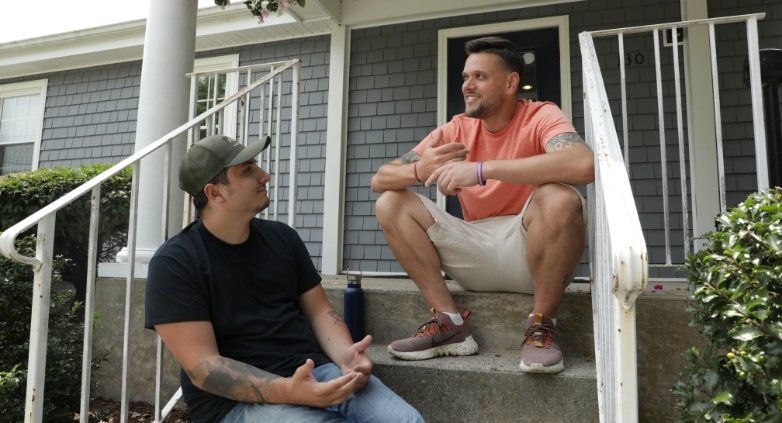
For families in Connecticut, specifically those in Middlesex and New Haven counties, In-Home Recovery Services (IHRS) allow clinicians to work with the family in their actual living environment. This is where the “family disease” is most visible and where the most profound healing can happen.
5. The 3 C’s of Family Recovery
This mantra remains the foundation of family recovery. Whether you are the child of an alcoholic parent or a spouse struggling with living with an alcoholic, your recovery is your own.
- You can’t Cure it: Recovery is a journey the individual must undertake. Your focus must shift from curing them to healing yourself.
- You didn’t Cause it: You are not responsible for your loved one’s substance use disorder. Addiction is a complex disease, not a reflection of your worth or actions.
- You can’t Control it: No amount of monitoring, pleading, or rescuing can force someone to stop using.
6. Building Your Family Recovery Toolkit
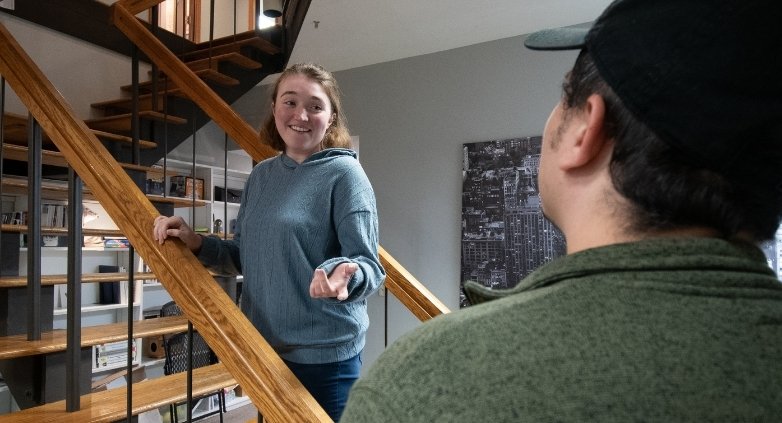
Acknowledging the disease is a powerful moment of clarity, but the transition from chaos to stability requires a structured plan. In 2026, we focus on **“Systemic Regulation”—**ensuring that every family member has the tools to lower their own stress levels regardless of the addict’s status.
Implement a Family “Recovery Contract”
This is a living document that outlines the expectations and boundaries for everyone in the home.
- Identify Triggers: List the behaviors that lead to conflict.
- Establish Consequences: Clearly state what will happen if a boundary is crossed.
- Define Support: Detail how family members will support their own mental health (e.g., attending one Al-Anon meeting a week).
Shift from “Fixing” to “Connecting”
Using the Internal Family Systems (IFS) lens, try to see your loved one’s addiction as a “Protector” part that has gone into overdrive. When you stop fighting the “Addict” part and start speaking to the “Self” behind it, the dynamic shifts from combat to compassion.
FAQs
Even if a child has moved out, the emotional patterns (like the “Hero” or “Lost Child”) often persist in their own marriages and careers, requiring specialized therapy to break the cycle.
Yes, family recovery is independent of the addict’s sobriety. By setting boundaries and seeking family counseling in CT, you can find peace even in the midst of the storm.
Technology acts as both a trigger and a tool. While apps can help with accountability, they can also lead to “digital enabling” or obsessive monitoring that hinders emotional healing.
Guilt is common when shifting family dynamics. Healthy boundaries are not punishments; they are protective measures for your mental and emotional health. Boundaries clearly communicate what behavior you will and will not accept. A therapist trained in family systems can help you implement boundaries in a calm, consistent way that reduces conflict over time.
If substance use is escalating, safety is compromised, or communication has completely broken down, a structured intervention facilitated by professionals may be appropriate. Intervention is not confrontation; it is a carefully planned process designed to present treatment as a unified, loving boundary. Contact Project Courage today!
Receive your free guide to understanding alcohol addiction and discovering recovery programs tailored to you. Learn how to build a personal sobriety plan and get support every step of the way.
Conclusion: Ready to Heal the System?
Recovery is a marathon, not a sprint, and you don’t have to run it alone. Whether you are seeking help for a loved one or looking for a way to find peace for yourself, understanding that addiction is a family disease is the first step toward collective healing.
Why Project Courage is Different
We don’t just treat the person; we heal the system. Our approach integrates:
- Real-Time Intervention: Through In-Home Recovery Services, we witness the family “mobile” in motion and help you adjust the strings in real-time.
- Specialized Programs: From Intensive Outpatient Programs to tailored support groups for families of addicts, we offer comprehensive pathways to stability.
- Generational Support: We provide specific resources for the children of alcoholic parents, ensuring the cycle of addiction stops with this generation.
Contact Project Courage today to learn about our 2026 family-centered recovery protocols