Drinking During the Holidays – A 2026 Guide to Mindful Celebration
The holiday season is often portrayed as a time of joy, connection, and warmth. However, for many, the reality is far more complex. Between the pressure of family gatherings and the omnipresence of seasonal toasts, drinking during the holidays has become a deeply ingrained cultural expectation.
In 2026, we are seeing a significant shift in how people approach the “holiday spirit.” While many are embracing the “sober curious” movement or mindful drinking, others find that the stress, grief, and social anxiety of the season make alcohol use harder to manage. At Project Courage, we recognize that this time of year can be a minefield for those in recovery and a tipping point for those struggling quietly.
Here is what we cover:
- The “Holiday Spike”: Why Alcohol Use Surges
- When Festive Becomes Problematic: Warning Signs
- The 2026 Holiday Survival Kit: Strategies for Mindful Drinking
- How Project Courage Supports Families During the Holidays
- Frequently Asked Questions
- Conclusion: A New Kind of Holiday Spirit
Real people. Real support.
Seeking Help for Yourself or a Loved One?
Connect with our professionals to start the journey to recovery.
Call 860.388.9656 for immediate support.
1. The “Holiday Spike”: Why Alcohol Use Surges
It is no coincidence that alcohol sales and consumption reach their peak between Thanksgiving and New Year’s Day. For many, drinking during the holidays is driven by several modern pressures:
- The Stress of Perfection: The pressure to create a “perfect” holiday often leads to burnout, where alcohol is used as a quick emotional “off-switch.”
- The “Wine Culture” Trap: Similar to what we see in maternal addiction, holiday marketing heavily normalizes heavy consumption as a reward for surviving the seasonal chaos.
- Grief and Loneliness: For those who have lost loved ones, the holidays can be a painful reminder of absence, leading to “numbing” behaviors.
- Social Obligation: The fear of being the “party pooper” or having to explain sobriety at a high-pressure office event.
The frequency and volume of alcohol consumption spike during this period, contributing to a rise in hospital visits and family conflict.

2. When Festive Becomes Problematic: Warning Signs
Because heavy drinking is so socially accepted during the winter months, it can be difficult to tell when someone has crossed the line. If you are worried about yourself or a loved one, look for these specific “holiday red flags”:
- “Pre-loading”: Drinking before arriving at an event to manage anxiety. If you find yourself doing this often, you might find our guide on how to know if you have a drinking problem helpful for gaining objective perspective.
- Erratic Behavior: Significant personality shifts, such as becoming uncharacteristically aggressive or “blacking out” during family dinners.
- The “Monday Morning” Excuse: Using “holiday fatigue” to mask hangovers or missed work responsibilities.
- Driving Under the Influence: Attempting to drive after “just a few” festive drinks. In 2026, New Year’s Day remains the deadliest day on the road, with alcohol-related accidents spiking 116% above the baseline average, according to National Safety Council (NSC) data.

3. The 2026 Holiday Survival Kit: Strategies for Mindful Drinking
Whether you are in long-term recovery or simply want to practice mindful drinking during the holidays, having a tactical plan is essential.
The “Zebra Striping” Technique
One of the most effective harm-reduction strategies in 2026 is “Zebra Striping”, alternating every alcoholic drink with a high-end mocktail or sparkling water. This keeps you hydrated and slows down the rate of intoxication. Utilizing coping strategies for addiction recovery like this can help you stay present without feeling “left out.”
Use the “Exit Script”
Don’t leave your sobriety to chance. Have a pre-planned “Exit Script” for when someone pressures you to drink. If you aren’t sure how to handle these conversations, read our advice on how do I talk to a family member about their addiction? for communication tips that work both ways.
Bring Your Own “Ritual”
In 2026, the market for functional, non-alcoholic botanicals has exploded. Bringing your own zero-proof spirit ensures you have something sophisticated to sip on. This is a great way to help an addict without enabling the drinking culture around you—by modeling that “festive” doesn’t have to mean “intoxicated.”
4. How Project Courage Supports Families During the Holidays
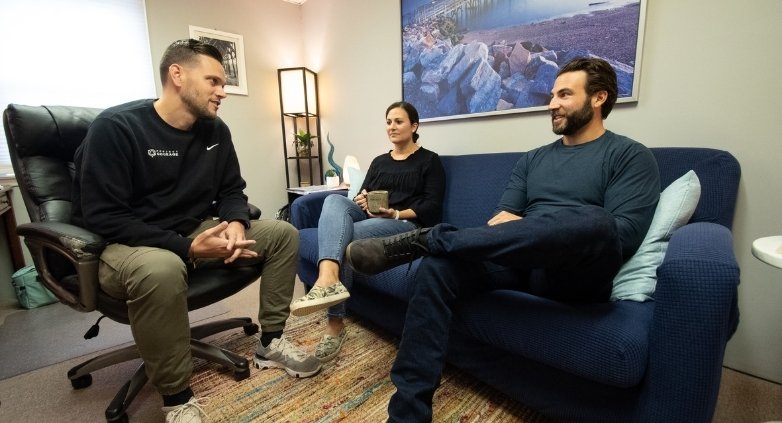
At Project Courage, we understand that sometimes the holidays reveal challenges that have been building for months. You don’t have to wait until the New Year to start your recovery journey. We offer discreet, high-impact services designed to fit into your holiday schedule:
- In-Home Recovery Services: If a traditional facility feels too public, we bring professional clinical support directly to your home in Connecticut and Massachusetts.
- IOP Integration: Our Intensive Outpatient Programs provide the structure needed to navigate holiday triggers while allowing you to remain present for family celebrations.
- Family Services: We provide coaching that helps everyone align on boundaries in addiction recovery in real-time.
- Shattering Generational Patterns: Holidays often bring up old habits. We help families explore if alcohol addiction runs in families to break those cycles for good.
Frequently Asked Questions
The combination of increased social events and the “excuse” of celebration makes it easier for a habit to spiral into a crisis. Statistically, the risk of accidents peaks during this window. This is especially difficult for children of alcoholic parents, who may feel extra stress during the “festive” season.
Avoid confrontation while they are intoxicated. Instead, focus on harm reduction (getting them a ride home) and have the “hard conversation” the following morning when their nervous system is regulated. You can refer to our steps to help someone with addiction for a clear roadmap.
It depends on your “sober battery.” If an event feels too high-risk, it is okay to decline. In 2026, prioritizing your mental health over social expectations is a sign of strength. For many, group therapy for drug addiction provides the peer support needed to make these tough calls.
This is where family therapy for addiction treatment becomes vital. We help families understand that supporting a loved one means respecting their boundaries, even if it goes against “tradition.”
Receive your free guide to understanding alcohol addiction and discovering recovery programs tailored to you. Learn how to build a personal sobriety plan and get support every step of the way.
Conclusion: A New Kind of Holiday Spirit
The best gift you can give your family this year is your presence, not just your physical body, but your clear, sober, and engaged self. Whether you are navigating drinking during the holidays as an individual or you are looking for how to help a drug addict family member, remember that you are not alone.
Don’t wait for a “New Year’s Resolution” to change your life. Call Project Courage at 860.388.9656 or contact us for a confidential consultation. Let’s make this season the start of something better.